
Invisalign vs. Traditional Braces: Making the Right Choice in Tulsa OK
Choosing the right orthodontic treatment can feel overwhelming, especially with so many options available today. Invisalign and traditional braces each come with their own unique benefits and considerations. In this article, we’ll explore the key differences between Invisalign and traditional braces, here at Tangelo Orthodontics, helping you make an informed decision based on your needs and lifestyle.
Understanding Orthodontic Options
Today, a wide array of orthodontic treatments are aimed at straightening teeth and improving oral health. From traditional braces to modern inconspicuous options, the choices can be daunting. Understanding these options is vital in making an informed decision. Orthodontic treatments can be broadly categorized into two main types: fixed appliances and removable aligners. Fixed appliances, commonly represented by traditional braces, involve metal brackets and wires, while removable aligners like Invisalign provide a more discreet approach.
Each treatment option presents distinct benefits. For instance, traditional braces are often regarded for their ability to correct complex dental issues effectively. Meanwhile, modern aligners like Invisalign cater to those prioritizing aesthetics or seeking a less noticeable way to achieve their smile goals. The best orthodontic solution will depend on your individual dental needs, budget, and lifestyle preferences.
What is Invisalign?
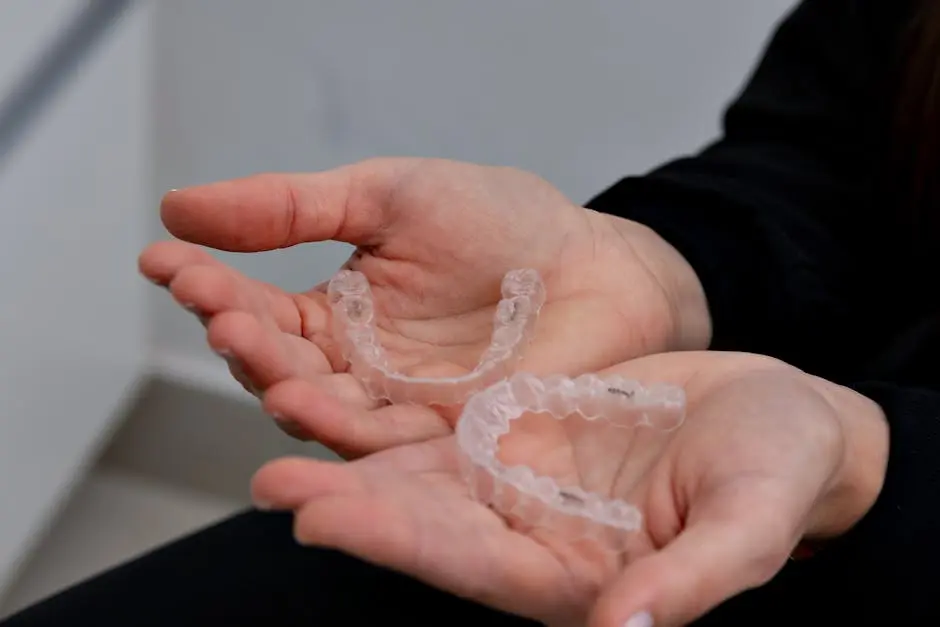
Invisalign is a modern orthodontic treatment employing a series of clear plastic aligners to gradually shift your teeth into the desired position. Unlike traditional braces, Invisalign aligners are virtually invisible, making them a popular choice for adults and teens alike. The process begins with the orthodontist taking precise measurements of your teeth to create a customized treatment plan. These measurements will generate a 3D model, allowing you to visualize your smile transformation before it even begins.
After creating the initial aligners, you’ll wear each set for about two weeks before progressing to the next. This continuous change allows for a comfortable and tailor-made approach to orthodontics. One significant advantage of Invisalign is its removability—you can take them out during meals or for oral hygiene, making it easier to maintain your regular dental habits. This flexibility is appreciated by many, as it significantly impacts overall comfort and convenience.
The Benefits of Invisalign
One of the most significant advantages of Invisalign is its aesthetic appeal. The clear aligners are nearly undetectable, allowing you to undergo orthodontic treatment without feeling self-conscious. Many adults seeking orthodontic care prefer Invisalign for Adults, as they can continue working and socializing without drawing attention to their teeth. Additionally, because the aligners are removable, there’s no restriction on what you can eat—unlike traditional braces, where certain foods can be problematic.
In addition to aesthetics, comfort plays a crucial role. The absence of metal brackets means fewer mouth abrasions and discomfort. Invisalign aligners are crafted from smooth plastic, making them gentle on your gums and cheeks. Furthermore, fewer visits to the orthodontist can save you time, as many aspects of the treatment can be managed from home.
Ultimately, the combination of aesthetic advantages, comfort, and convenience positions Invisalign as a compelling choice for many individuals. If you’re considering an orthodontic treatment, exploring this option could lead you closer to achieving your ideal smile.
Understanding Traditional Braces
Traditional braces consist of metal brackets, wires, and bands used to create tension that gradually shifts your teeth into alignment. While their appearance may not offer the discretion of Invisalign, they have been a tried-and-true method for decades. The brackets are bonded directly to your teeth and are connected by wires that apply pressure to the teeth over time. This consistent pressure is what helps to straighten the teeth effectively.
The primary advantage of traditional braces is their effectiveness in treating severe malocclusions and complex dental conditions. The fixed nature of braces means that they can provide more aggressive treatment for those who might benefit from it, such as individuals with significant crowding or misalignment. Traditional braces also allow for precise control over tooth movement, which can be beneficial for more complex cases.
Despite their advantages, traditional braces come with certain challenges. There may be restrictions on certain foods, and maintaining oral hygiene can require extra effort to ensure that brackets and wires remain clean. However, for many, the effectiveness of traditional braces outweighs these drawbacks, leading to successful treatment outcomes.
The Benefits of Traditional Braces
The most significant benefit of traditional braces lies in their effectiveness. They can achieve precise results for a wide range of dental issues, including severe misalignment, gaps, and bite issues. Traditional braces have a longstanding reputation for delivering significant orthodontic results, making them a reliable choice for those needing comprehensive treatment.
In addition to effectiveness, there is another important consideration: the lower overall cost compared to clear aligners. For individuals and families on a budget, traditional braces can often provide a more economical option. While insurance may cover a portion of both treatment options, braces typically have lower out-of-pocket costs, making them accessible for many.
Finally, the commitment factor with traditional braces can motivate consistent compliance with orthodontic recommendations. Because traditional braces are fixed, you don’t run the risk of misplacing or forgetting to wear them. This reliability can sometimes lead to better treatment outcomes, as there is no room for user error in terms of wearing them as directed.
Comparing Cost and Treatment Time
When considering orthodontic options, cost and treatment time are often at the forefront of decision-making. Invisalign and traditional braces both have varying costs depending on individual needs, the severity of misalignment, and geographical location. On average, traditional braces tend to be slightly more affordable. However, it’s crucial to factor in the potential for fewer appointments and time savings with Invisalign, which may balance the financial aspects.
In terms of treatment time, traditional braces usually require an average of 18 to 24 months. Conversely, Invisalign treatment durations can vary based on the complexity of the case, but many aligners may achieve results within a similar timeframe. This flexibility allows practitioners to adjust plans according to patients’ specific needs, tailoring an experience optimal for each individual.
Ultimately, the investment in either option goes beyond the dollar amount and involves time and commitment to achieving the best results for your smile. It’s essential to weigh the financial aspects alongside the benefits of each orthodontic treatment to make the right choice for your unique situation.
Lifestyle Considerations: Which is Right for You?
Deciding between Invisalign Tulsa and traditional braces is largely influenced by your lifestyle and personal preferences. For instance, if you lead a busy life, the flexibility of Invisalign—being removable for meals and cleaning—can be significant. Many find this option appealing, allowing them to maintain their regular eating habits without restriction. If you enjoy eating crunchy or sticky foods, like popcorn or caramel, this advantage can be crucial.
In contrast, if you prefer a hands-off approach, traditional braces may suit your needs better. With braces, you don’t have to worry about remembering to put aligners back in or maintaining a wear schedule—your braces will work constantly to shift your teeth into place. This option can be ideal for individuals who may struggle with compliance and require a more structured approach.
Additionally, consider your oral hygiene habits. Invisalign can be easier to maintain, as you can remove the aligners for brushing and flossing. However, if you’re diligent with your oral care routine, traditional braces can also yield excellent outcomes without compromising your dental health.
Consulting with Your Orthodontist
When making the decision between Invisalign and traditional braces, consulting with our doctors, Dr. Hall and Dr. Baker is essential. A professional evaluation can provide deeper insights into your specific needs, guiding you toward the most suitable option. Our doctors can assess the complexity of your dental condition and discuss the advantages and limitations of each treatment. This collaborative approach often leads to optimal results.
Furthermore, our doctors can help set realistic expectations regarding treatment timelines and outcomes. Understanding what each option entails will allow you to navigate the journey comfortably and with confidence. Open communication with our team fosters a supportive environment, ensuring that any concerns are addressed as you proceed with your selected treatment.
Ultimately, investing time in this partnership can dramatically improve not only the effectiveness of your treatment but also your overall satisfaction. With professional guidance, you’ll be empowered to make a choice tailored to your individual desires and orthodontic needs.
Conclusion: Making Your Choice
Ultimately, the choice between Invisalign and traditional braces depends on your personal preferences, lifestyle, and specific orthodontic needs. Both options can lead to a beautiful smile, but understanding their differences can help you choose the path that’s right for you. For more information please call our offices today!